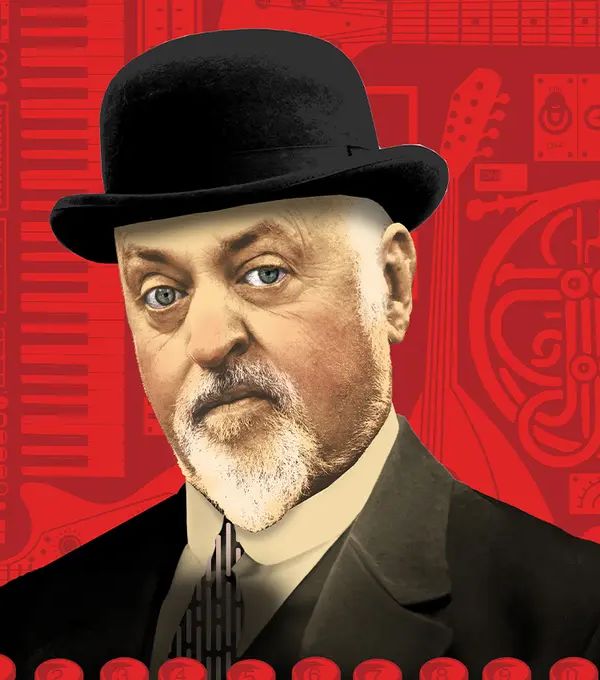
Sit back and relax – Ravel didn’t want you to take this too seriously.
Known to absorb the musical influences around him, jazz was the subject of Ravel’s most recent musical love affair as he composed the effervescent Piano Concerto in G.
After touring the United States for six months, he incorporated the hustle and bustle of American life into his latest piece by way of syncopated rhythms and blues-inflected harmonies. Ravel famously referred to the concerto as a “luxurious diversion” and didn’t want the audience to dwell on any prospective profundity. So do as the man said and don’t think too hard about it – let MSO favourite Alexandra Dariescu divert your imagination to Ravel’s New York in the late 1920s.
Ravel’s humility rubbed off on his close friend, Germaine Tailleferre, who composed her wholly unpretentious Ballade for Piano and Orchestra in 1920. Often overshadowed by her peers’ work but entirely worth a second look, the Ballade perfectly sets the scene for this program of Parisian playfulness and beauty.